Gold Beneath the Sea: The Incredible Record-Breaking Adriatic Discovery
July - 2026
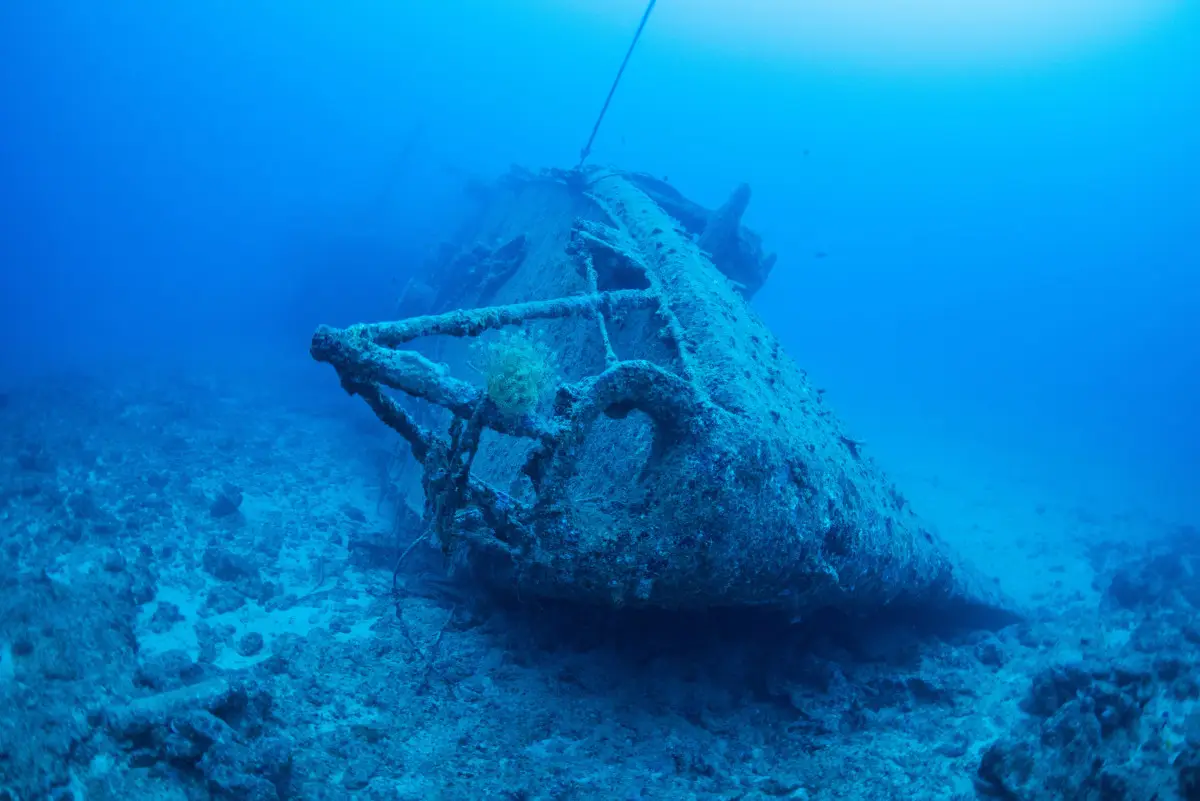
Croatia’s Adriatic is famous for its crystal-clear water, beautiful islands and hidden bays. But beneath that postcard-perfect surface lies another world. One filled with ancient shipwrecks, lost cargo, archaeological treasures and stories that have been hidden underwater for centuries.
What Lies Beneath the Adriatic? Croatia’s Underwater World of Shipwrecks, Treasures & Lost History
Let’s start with the discovery that made headlines. In July of 2026, archaeologists announced one of the most spectacular underwater discoveries ever made in Croatia and the whole of Mediterranean: a Byzantine shipwreck near the island of Mljet containing more than 40 gold objects, four elaborate gold belt sets, a buckle decorated with precious gemstones and a golden signet ring showing an emperor.
But here’s what makes the discovery truly remarkable: more than 600 grams of recovered gold represent the largest amount of gold ever found on a shipwreck anywhere in the Mediterranean. The discovery is considered unprecedented among Mediterranean underwater archaeological sites, making the Mljet wreck an extraordinary window into the Byzantine world.
The wreck, found in the waters around Mljet, dates from the late 7th or early 8th century, when the Byzantine Empire still controlled much of the eastern Mediterranean. Archaeologists have been systematically excavating the site since 2015, slowly revealing what the ship carried.
The combination of the objects suggests that this was no ordinary merchant ship. Archaeologists believe a high-ranking Byzantine imperial official may have been travelling on board, surrounded by an entourage. The signet ring is particularly significant because such a piece could have been used to authenticate official documents or goods.
Imagine swimming in the Adriatic while, centuries ago, a ship carrying an imperial official was sailing through these very waters.
So, what else could there be hiding beneath the blue?
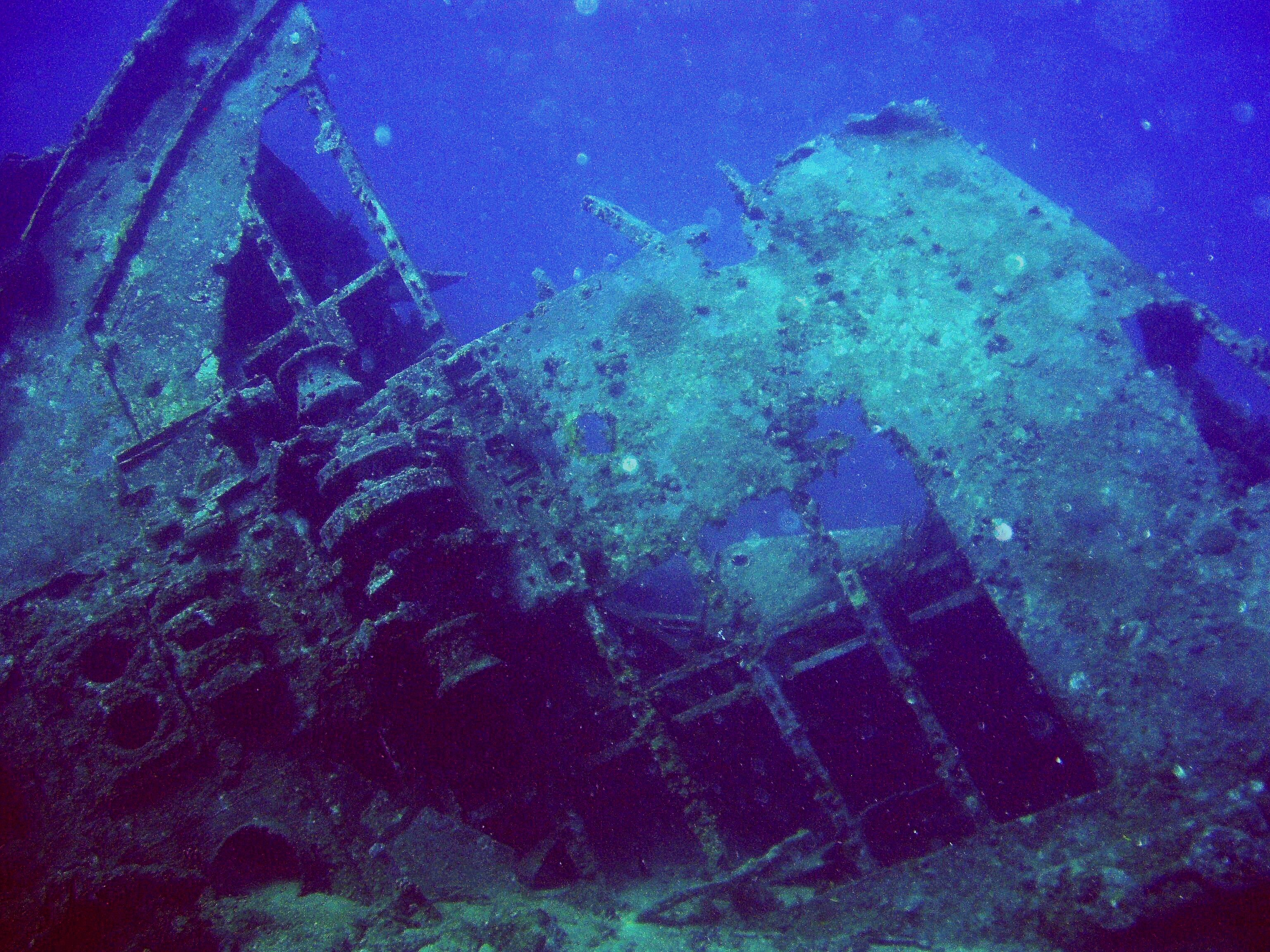
Ancient Cargo Is Still Down There
One of the most recognisable objects found in ancient Mediterranean shipwrecks is the amphora – a ceramic vessel used to transport everything from wine and olive oil to fish products and other goods.
When a ship would sink, its cargo could remain buried beneath sediment for centuries.
For underwater archaeologists, these objects are much more than old pottery. Their shapes, materials, markings and contents can reveal where a ship came from, what it was carrying and which trade routes connected different parts of the ancient Mediterranean.
In other words, the seabed can tell us what people were buying, selling and eating thousands of years ago.
Not All Treasures Are Made of Gold
When we hear the word “treasure”, we tend to imagine coins, jewellery and gold.
But for archaeologists, some of the most valuable discoveries are far less glamorous.
A piece of pottery, a ship’s fitting, a tool, a weight or even a fragment of wood can reveal how people lived, travelled and traded.
The Mljet wreck itself is a perfect example. Researchers found not only luxurious gold objects but also amphorae from the eastern Mediterranean, trade scales and weights, and even mercury, which may indicate that a goldsmith was aboard the ship.
Suddenly, the wreck becomes more than a sunken ship. It becomes a snapshot of life in the Byzantine world.
There Are Shipwrecks From Much More Recent Times, Too
The Adriatic’s underwater history doesn’t stop in antiquity.
Its seabed also contains wrecks from more recent centuries, including ships connected with the turbulent history of the 19th and 20th centuries.
There are also aircraft and military wrecks in the Adriatic, creating underwater sites that tell completely different stories from the ancient merchant vessels.
So depending on where you dive, you might be looking at something that sank a few decades ago or something that disappeared beneath the waves more than a thousand years ago.
What About Lost Cities?
This is where things get even more fascinating.
The Adriatic coastline has changed dramatically over thousands of years. Rising sea levels after the last Ice Age submerged parts of former coastal landscapes, meaning that traces of human activity can sometimes be found beneath today's sea surface.
That doesn't mean there are entire Croatian cities sitting intact beneath the Adriatic like a real-life Atlantis.
But archaeologists have discovered submerged prehistoric and ancient remains, giving us clues about landscapes and settlements that existed before the coastline looked the way it does today.
The sea has effectively covered parts of Croatia's archaeological history and researchers are still working to uncover it.
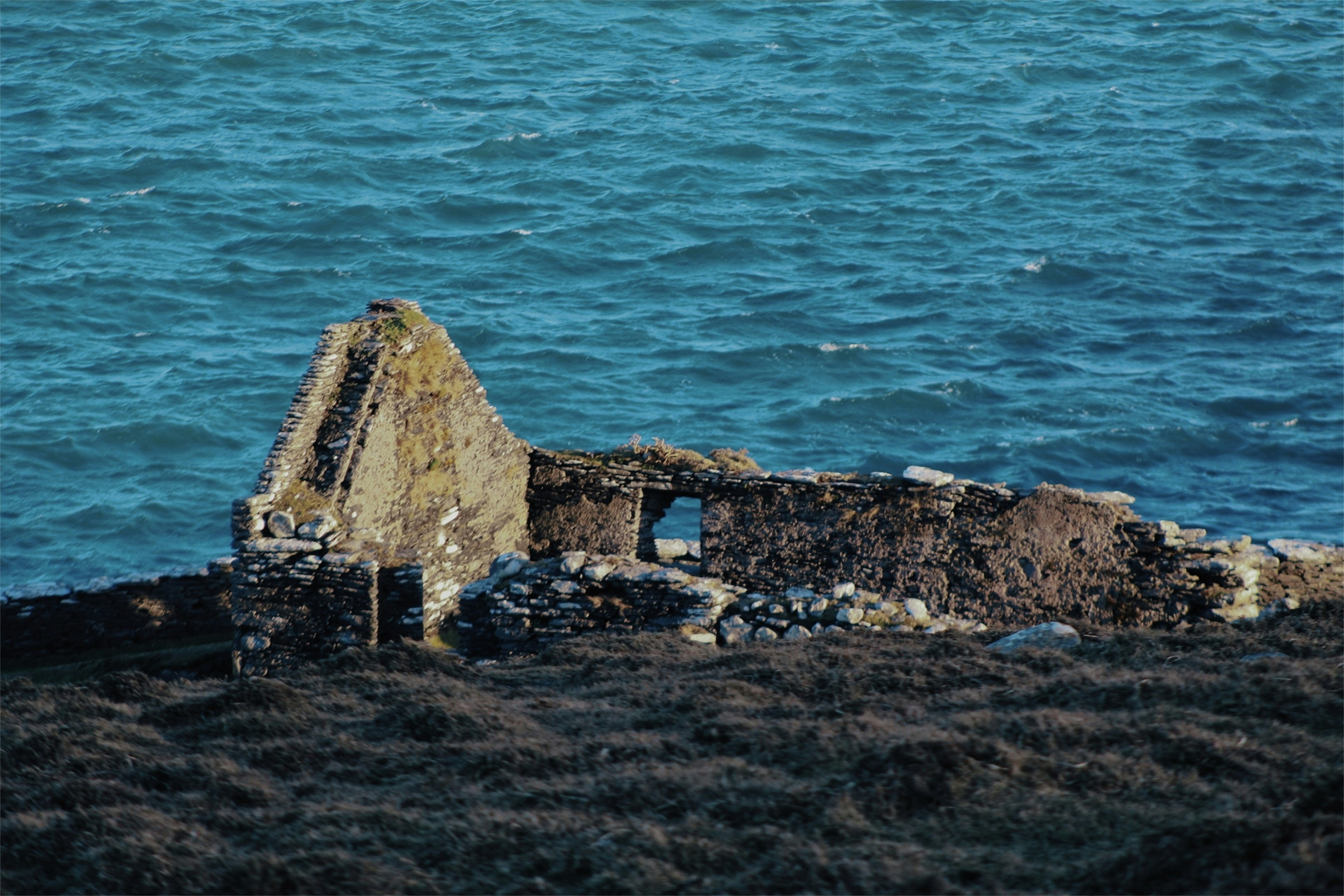
Shipwrecks Can Become Underwater Homes
There is also a completely different story happening around these wrecks.
Once a ship sinks, its remains can eventually become part of the marine environment. Fish, crustaceans, sponges and other organisms can colonise the structure, turning an old wreck into a small underwater habitat.
So something that was once a human tragedy can eventually become a new home for marine life.
The Adriatic's shipwrecks therefore tell two stories at once: one about the people who sailed these waters, and another about the marine ecosystem that slowly takes over what they left behind.
And We Still Haven’t Found Everything
Perhaps the most exciting thing about underwater archaeology is that the story isn't finished.
The discovery near Mljet shows just how much can still be hidden beneath the Adriatic. Archaeologists spent years investigating the site before the full importance of the wreck became clear.
Modern technology is also changing what researchers can find. Sonar, underwater photography, 3D mapping, remotely operated equipment and increasingly sophisticated archaeological techniques are helping scientists investigate areas that would once have been almost impossible to explore.
There could still be ancient cargo, forgotten wrecks and archaeological sites waiting beneath the water.
And that is perhaps the most exciting thought of all.
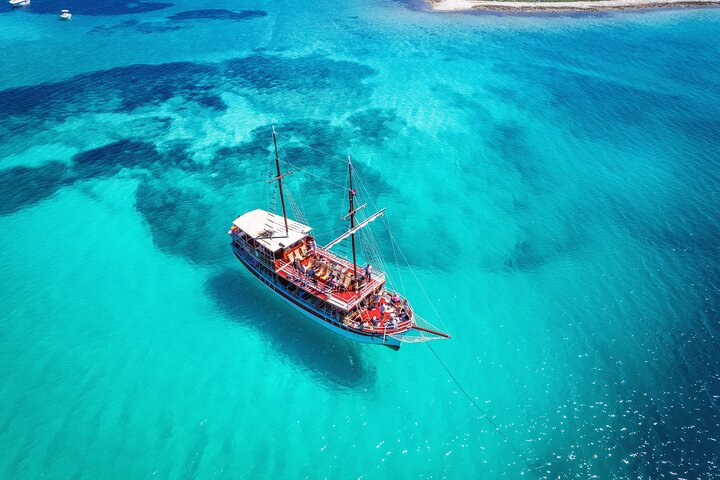
The Adriatic Is More Than What You See on the Surface
The next time you look at Croatia's impossibly blue sea, remember that you're looking at just one layer of the story.
Above the surface: islands, cliffs, beaches and hidden bays.
Below it: centuries of trade, travel, storms, shipwrecks, lost cargo and archaeological discoveries.
The Adriatic isn't simply a beautiful place to swim.
It is a history book, and part of it is written on the seabed.
Discover the Adriatic with Junior
You don't have to be an archaeologist to appreciate the hidden stories of Croatia's coast.
With Junior Excursions, you can experience the Adriatic from a completely different perspective - travelling between islands, swimming in crystal-clear bays and seeing the coastline from the water.
And who knows? The next time you jump into the Adriatic, you might wonder what stories are sleeping beneath you, waiting to be woken up. Waiting to be told.
Ready for a day at sea? Check availability and book your spot: juniorexcursions.com/tour/day-cruise