10 Facts About The Adriatic That Will Blow Your Mind: Must Know Before Visiting
August - 2026
Crystal-clear water, hundreds of islands, hidden bays and every possible shade of blue and a whole universe underneath.. The Adriatic is one of the reasons Croatia has become such a favourite summer destination.
But how much do you really know about the sea you’ll be swimming in?
From its incredible depth to its surprisingly warm summer temperatures, here are some fascinating facts about the Adriatic Sea that might make you look at Croatia’s coastline a little differently!
The Adriatic Sea is a northern arm of the Mediterranean Sea, stretching between the Italian and Balkan peninsulas.
Its eastern side is where things get particularly spectacular. Croatia’s coastline is famous for its dramatic combination of rocky shores, secluded bays and hundreds of islands and islets.
And if you’ve ever wondered why Croatia is such a paradise for boat trips, this incredibly indented coastline is a big part of the answer.
1. The Adriatic Is Home to Some Endangered Species
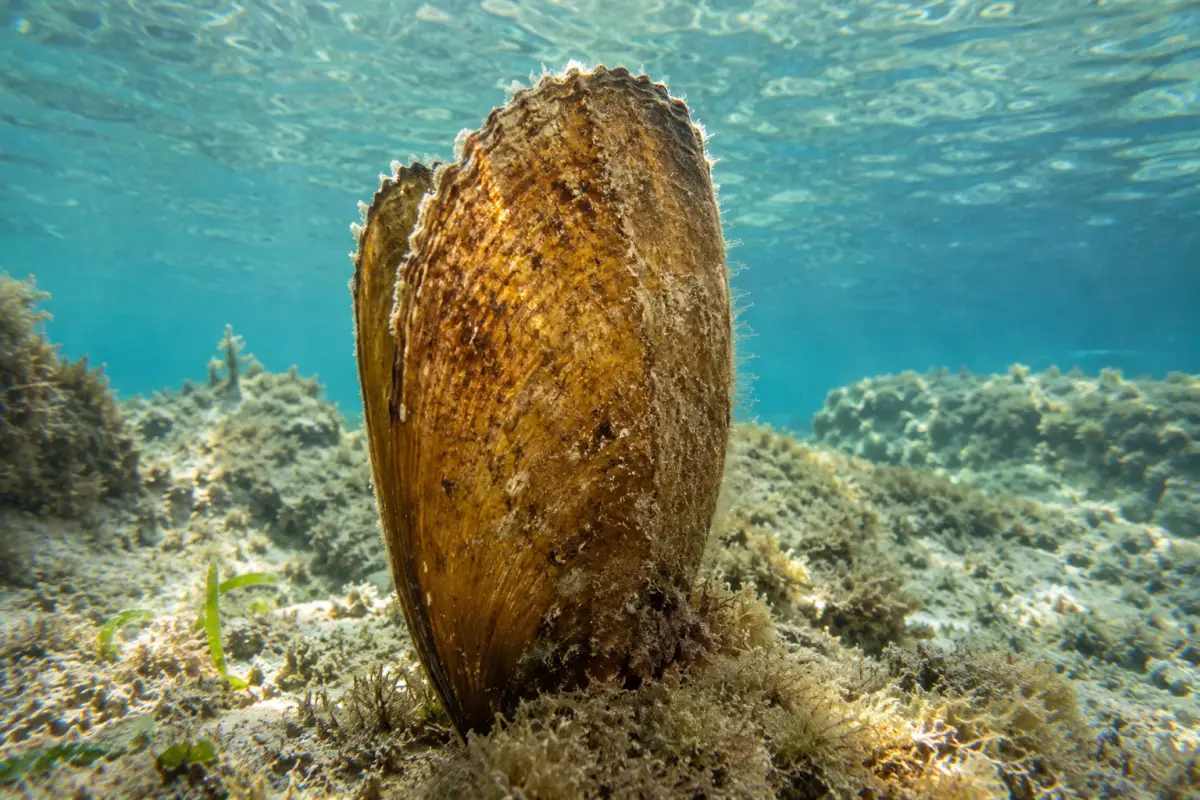
Beneath its beautiful blue surface, the Adriatic is home to several threatened species, including the iconic noble pen shell (Pinna nobilis), loggerhead sea turtles, dolphins, seahorses and numerous species of sharks and rays. One of the Adriatic’s most important marine plants, Posidonia oceanica, also forms vital underwater meadows that provide shelter and food for countless marine species.
2. Croatia Has More Than 1,200 Islands, Islets and Reefs
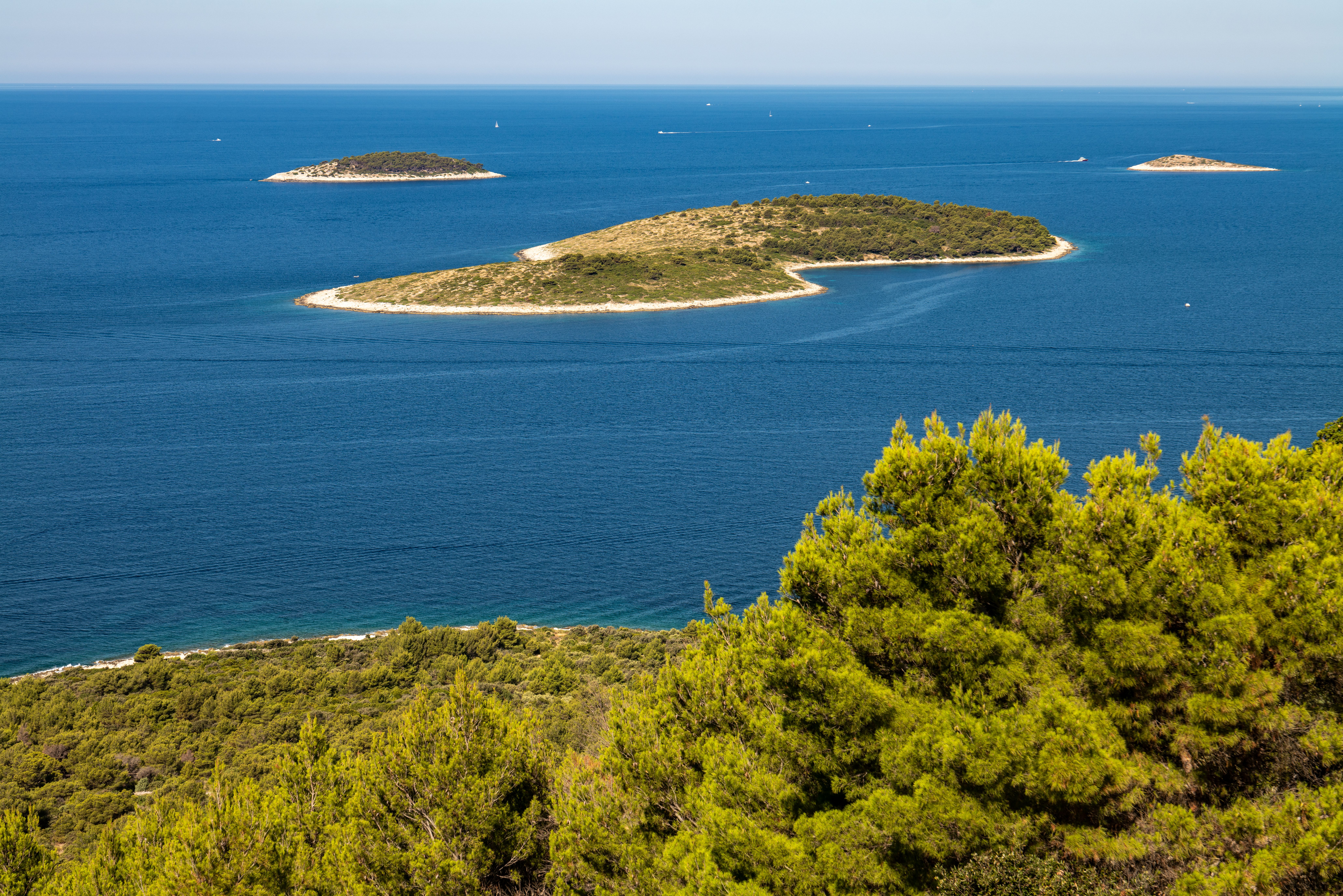
One of the Adriatic’s most impressive features is the sheer number of islands along the Croatian coast.
Croatia has 1,244 islands, islets and reefs in its Adriatic waters, with a total Croatian coastline stretching for around 6,278 kilometres when the mainland and island coastlines are combined.
To put that into perspective, Italy, which is more than five times larger than Croatia by area, has around 450 islands.
And there’s another impressive number: when the mainland and islands are combined, Croatia’s coastline stretches for around 6,278 kilometres. In fact, almost 70% of Croatia’s coastline belongs to its islands.
That is a lot of coastline packed into a relatively small country – and one of the reasons you can spend days island hopping in Croatia and still discover somewhere new.
That is a lot of coastline to explore and one of the reasons you can spend days island hopping and still discover somewhere new.
3. Adriatic Is Very, Very Warm
If you’ve ever jumped into the Adriatic in July and thought, “This is perfect”, there’s a reason.
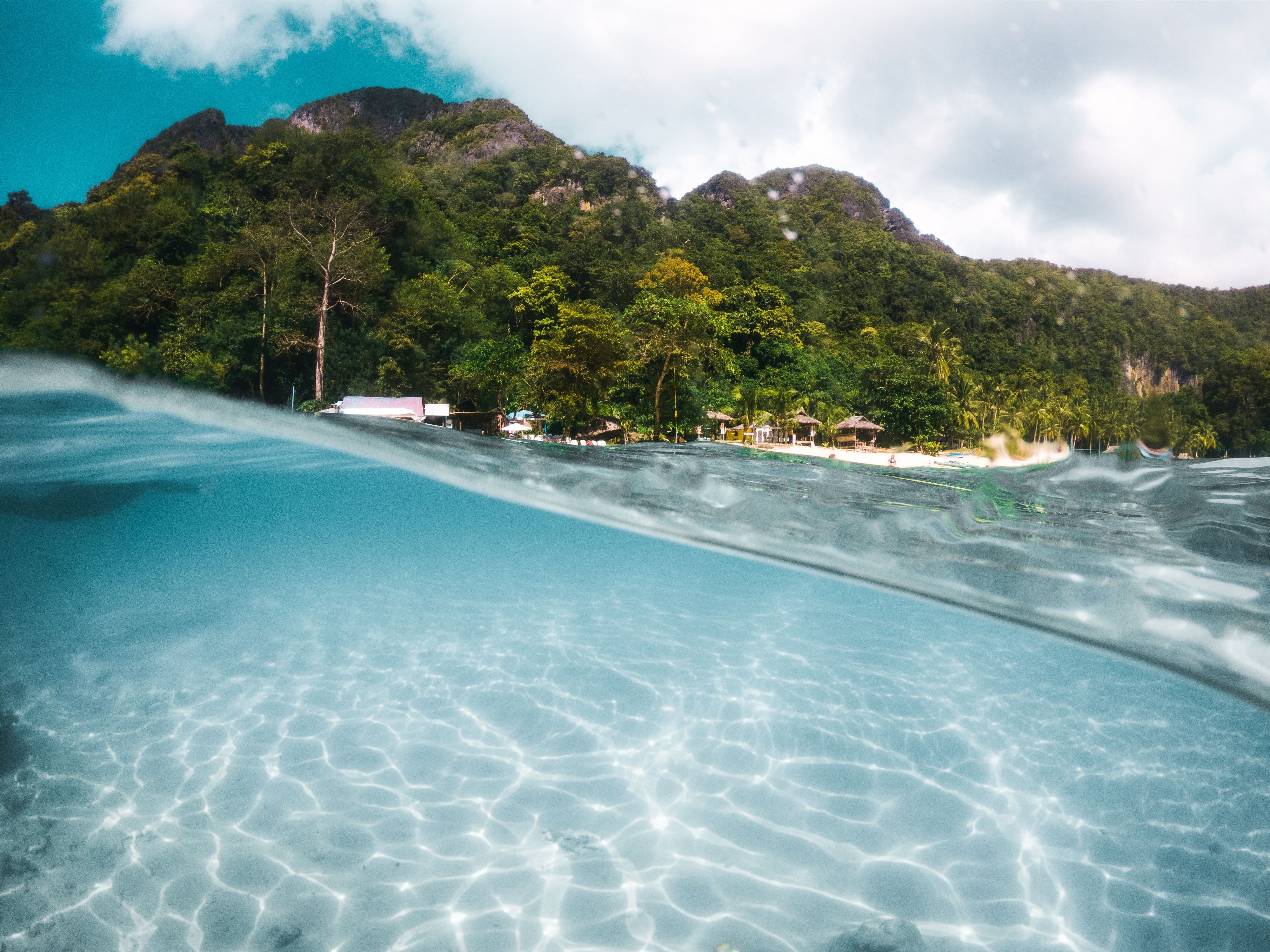
During the summer months, sea temperatures along the Croatian coast commonly reach even around 25–27°C, making the Adriatic ideal for swimming, snorkelling and spending long afternoons in the water.
The southern Adriatic tends to be warmer than the northern part, while temperatures can vary depending on the season, location, depth and weather conditions.
So yes, that wonderfully warm sea you experience on a summer holiday is very much part of the Adriatic experience.
4. The Adriatic Is Much Deeper Than It Looks
From the beach, the Adriatic can look like one enormous turquoise swimming pool.
But beneath that calm blue surface, things get seriously deep.
The northern Adriatic is relatively shallow, while the seabed becomes much deeper as you travel south. The deepest parts of the Adriatic are found in the South Adriatic Basin, where depths reach more than 1,200 metres.
There is also the fascinating Jabuka Pit, one of the deepest areas of the central Adriatic.
So while you might be standing waist-deep in crystal-clear water near the shore, the sea just a little further offshore can be hiding a completely different underwater world.
5. Made for Swimming: Clean, Transparent, Pleasant
As we'd already mentioned, Adriatic is famous for its warm, crystal-clear and exceptionally transparent water, especially along Croatia’s rocky island coast. During summer, sea temperatures commonly reach around 25–27°C, while visibility can extend for tens of metres in some areas.
And it’s not just beautiful - Croatia’s bathing waters consistently rank among Europe’s highest-quality waters. In 2025, 86.2% of Croatia’s reported bathing waters were classified as “excellent” by the European Environment Agency, based on strict microbiological safety standards.
Swimming in the sea can also be a great way to stay active, relax and cool down during hot summer days. The combination of gentle exercise, water resistance and being outdoors makes a swim in the Adriatic a refreshing part of any Croatian holiday.
And then there’s the simple holiday effect: sun, sea, fresh air and time outdoors can make a swim in the Adriatic feel like a natural reset for both your skin and your mind.
6. The Croatian Coast Is Exceptionally Indented
Croatia's eastern Adriatic coastline is among the most indented in the Mediterranean.
What does that mean?
Lots of curves, coves, channels, peninsulas and islands.
And for visitors, it means something very useful: there are countless places where you can escape the crowds and find a quiet bay for swimming.
The shape of the coast also makes the Adriatic particularly spectacular from the water. Instead of simply following one long coastline, you can weave between islands, discover hidden coves and see the landscape from an entirely different perspective.
7. The Adriatic Is Not the Same Everywhere
It might look like one continuous blue sea on a map, but the Adriatic changes quite a lot from north to south.
The northern Adriatic is shallower, while the southern part is much deeper. Water temperature, salinity, currents, marine life and even the appearance of the sea can vary between different areas.
That means the water around Istria doesn't necessarily look or feel exactly the same as the water around Hvar, Vis or Dubrovnik.
And that variety is one of the things that makes exploring the Croatian coast by boat so interesting.
8. There's a Hidden World Beneath the Surface
The Adriatic isn’t just fascinating above the surface - its seabed is full of history. Beneath the crystal-clear waters lie ancient shipwrecks, Roman amphorae, lost cargo, military wrecks and even traces of settlements that were submerged thousands of years ago.
One of the most spectacular recent discoveries was made near Mljet, where archaeologists uncovered more than 40 gold objects from a Byzantine shipwreck dating back to the 7th or 8th century. So, the next time you dive into the Adriatic, remember: there may be centuries of history hidden just beneath your feet.
9. The Adriatic Has Its Own Underwater Weather
Okay, perhaps not weather in the traditional sense, but the Adriatic has some fascinating underwater movements.
Water temperature, salinity and density all affect how seawater moves.
In winter, for example, cold and dense water can form in parts of the Adriatic and sink, contributing to the circulation of deeper water. Researchers have documented major dense-water formation events in the Adriatic, showing just how dynamic the sea is beneath the surface.
So even when the surface looks completely calm, there can be a lot going on underneath.
10. The Best Way to Experience the Adriatic? From the Sea
You can admire Croatia's coastline from the beach.
You can photograph it from a viewpoint.
But there is something completely different about seeing it from a boat.
Suddenly, the islands, cliffs, hidden bays and shades of blue become part of the experience rather than just something you see in a photograph.
You can stop for a swim in crystal-clear water, snorkel around rocky coves, discover secluded corners of the coast and watch the landscape change as you move from one island to another.
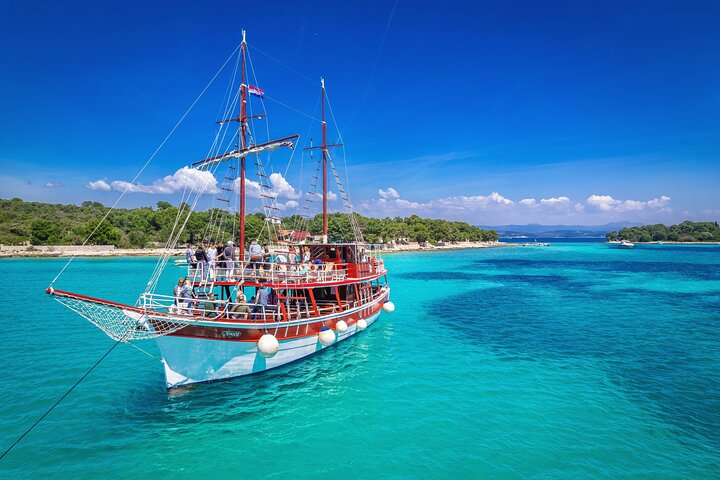
Discover the Adriatic with Junior
The Adriatic isn't just the sea you happen to swim in while visiting Croatia. It is one of the country's greatest natural attractions: warm, incredibly varied and full of places that are best discovered from the water.
So, if you're staying in Split, why not see it for yourself?
Join Junior Excursions and explore the Adriatic by boat – from crystal-clear swimming spots and hidden bays to some of the most beautiful islands along the Dalmatian coast.
Bring your swimsuit, your snorkelling gear and your camera.
Check availability and book your spot now: juniorexcursions.com/tour/day-cruise
You can even book an All-inclusive Adriatic Tour!
Let the sea do the talking. We’ll take care of the rest.